

Most B2B cold email campaigns struggle to achieve reply rates of 1–5%. Meanwhile, top-performing teams consistently generate 10–15%+ responses using a small set of repeatable, data-driven strategies.
Based on analysis of 50,000+ B2B email campaigns, this guide breaks down the exact tactics high-performing outbound teams use to increase mass email reply rates;without relying on spammy volume, generic templates, or luck.
In this blog, you’ll learn how to combine intent-driven personalisation, precise timing, concise messaging, and strong deliverability foundations to turn cold emails into a predictable pipeline.
Using merge tags like {{FirstName}} or' {{Company}} is no longer personalisation; it’s table stakes. Modern B2B buyers instantly recognise automated outreach and ignore messages that lack genuine context.
Effective personalisation shows that you understand why you’re reaching out and why now.
Level 1: Role-based personalisation
Tailor your value proposition to the recipient’s job function. Executives care about outcomes and risk. Managers care about efficiency and execution. Individual contributors care about ease and impact.
Level 2: Company-level context
Reference company-specific information such as growth stage, industry positioning, or recent announcements. This signals relevance and credibility.
Level 3: Intent-based signals (highest impact)
Trigger outreach based on observable buyer behaviour that indicates real interest or an upcoming change.
From our campaign analysis:
Example personalised opener:
“I noticed you’re hiring multiple RevOps roles teams at this stage often see pipeline inefficiencies surface quickly. We’ve helped similar SaaS companies reduce outbound waste by 40% during growth phases.”
This approach earns attention because it’s timely, relevant, and grounded in reality.
Email timing directly impacts engagement even with strong messaging.
Highest-performing windows:
Emails sent during these windows see:
Avoid Monday mornings (inbox overload), Friday afternoons, and weekends.
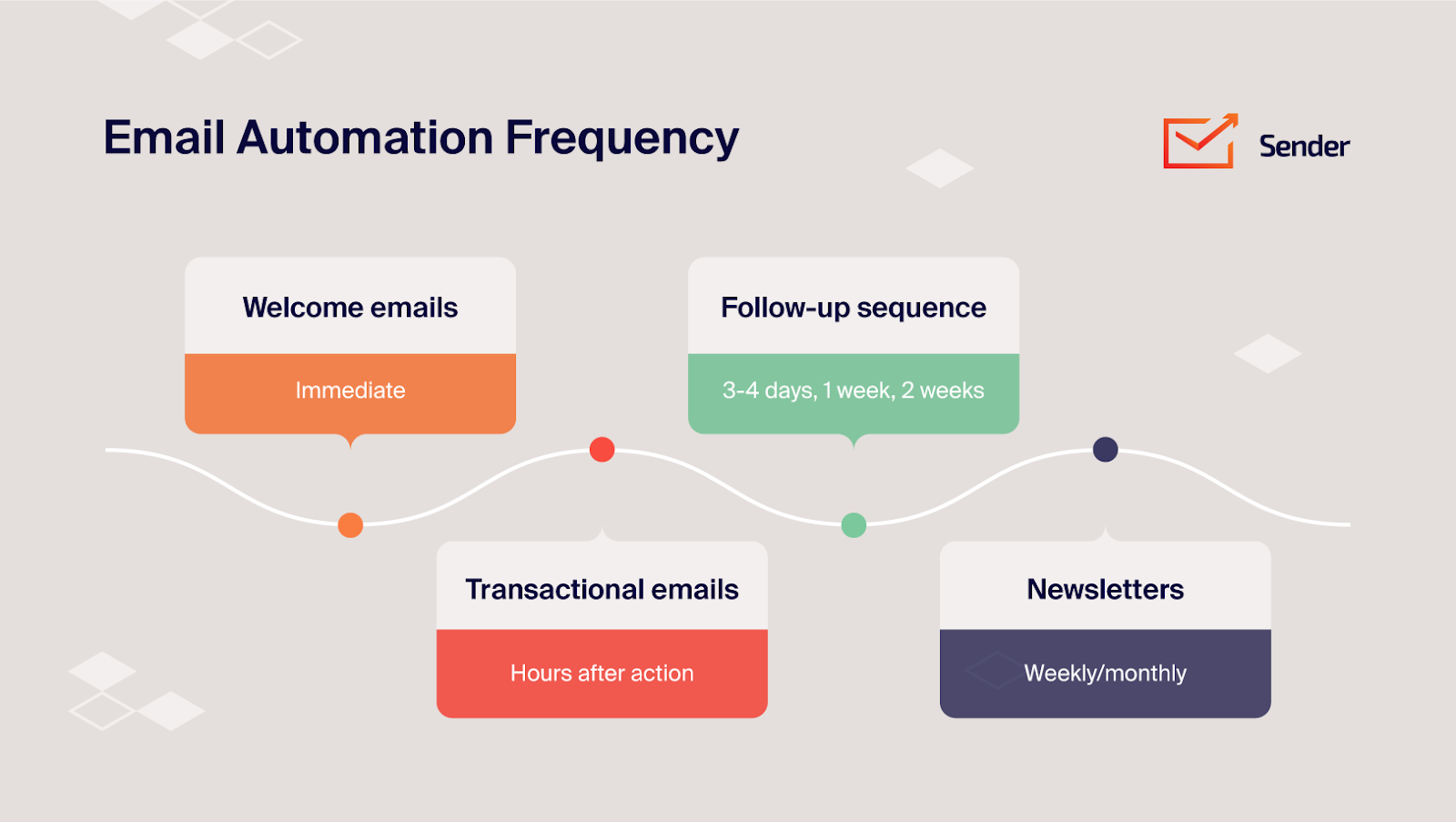
Most replies come from follow-ups not from the initial emails.
Best-practice cadence:
High-Performing Sequence:
Consistency without repetition is what drives responses.
Strong subject lines are:
Low-performing:
High-performing:
Instead of asking for meetings up front, lower the barrier to respond.
High-friction:
“Can we book a 30-minute call?”
Low-friction:
“Worth a quick reply if this is relevant?”
Lower effort = higher replies.
Executives scan emails. Long messages get skipped.
Optimal cold email length:
67-word example averaging 12% replies:
“We’ve helped B2B SaaS teams reduce outbound waste by 40% by focusing only on accounts showing real buying intent.
The approach uses hiring signals, tech stack changes, and engagement data to guide outreach.
Happy to share a quick breakdown if useful.”
If your emails don’t reach the inbox, nothing else matters.
Poor deliverability can cripple campaigns for months.
High reply rates come from systems, not templates.
Weekly rollout plan:
This approach consistently moves teams from 2% → 6% → 12%+ replies.
High reply rates are built, not guessed.
At B2B Drum, we help teams build intent-driven outbound systems that generate a predictable pipeline through personalisation, timing, and deliverability excellence.
A 5–10% conversion rate is strong for targeted B2B campaigns. Top teams reach 10–15%+ using intent-based outreach.
2–3 follow-ups spaced 3–5 days apart. More than that hurts deliverability.
Generic personalisation, poor targeting, long emails, bad timing, and deliverability issues.